
|
We've been asked about native plants and invasive plants by some of our customers and we've found the following article to be a helpful explanation. It's written by Judy Eisenburg from the Ecological Landscape Alliance. 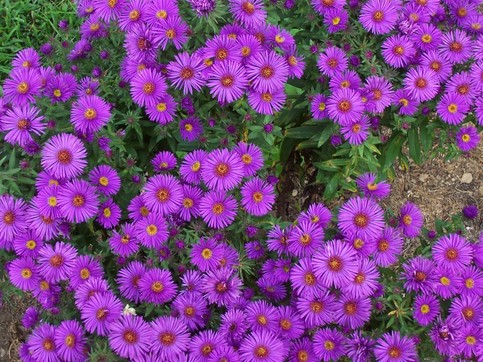 Differences between Native & Invasive Plants Native plants are plants that were already growing in North America before European colonies settled here. Many of these native woody plants such as Sugar Maples, Gray Birch, Serviceberry, and native herbaceous plants such as Lowbush Blueberry, Columbine (Aquilegia canadensis), New England Aster, Solomon’s Seal, Foam Flower, Maidenhair Fern and Bearberry still grow today in New England. They have adapted to our climate’s heat, drought, excessive rain, cold, and snow and require minimal labor, fertilizers, herbicides, fungicides and insecticides. Native plants have an interactive relationship with indigenous animals, birds, reptiles, butterflies, insects and many other organisms, and provide them with food and habitat. For further information on native plants, check out New England Wild Flower Society. Some of New England’s woody and herbaceous ‘invasive’ plants were originally brought here from Europe for use as food crops when the Europeans first settled here. Non–native invasive plants were and still are imported from all over the world for food crops and for aesthetic horticultural reasons. These invasive alien plants do not provide proper nourishment for wildlife. They spread rapidly, develop self-sustaining populations, upset natures balance, and are displacing the native plants and the organisms depending on them. If you look in your own garden, or walk down the street, you may see invasive plants such as Norway Maples, Oriental Bittersweet, European Swallowwort, Japanese Knotweed, and Bishops Goutweed. For further information on invasive plants, go to the Invasive Plant Atlas of New England. Interested in going native in your garden? Check out the 15 Top Native Plants of the Northeast!
0 Comments
Leave a Reply. |
Archives
February 2024
AuthorRodrigo Dos Anjos Categories
All
|
 RSS Feed
Gardenin' Angels, Landscape Management & Construction
A preferred landscaper, serving Southeastern Massachusetts
11 Renker Drive, Easton, MA 02375
774-284-1171
[email protected]
Privacy Policy • Terms of Use